Goat Format Championship 25 Deck Tech: Dark Return
This article provides a deck tech analysis of Geist D's Dark Return deck, highlighting its unique strategy and card choices for Goat Format Championship 25.
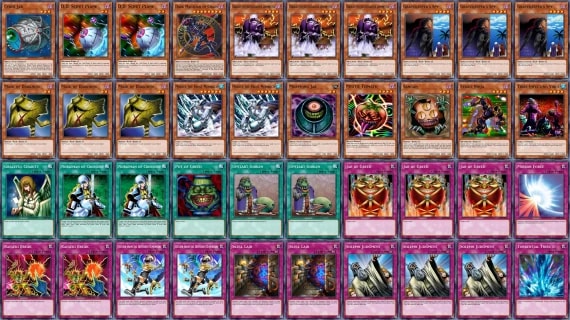
It seems that the dark side was too enticing for Geist D, since they decided to enter Goat Format Championship 25 with a Dark Return list sporting some casual favorites, like D.D. Scout Plane and Skull Lair! Are you afraid of the Dark (attribute)?
Deck List

Overview
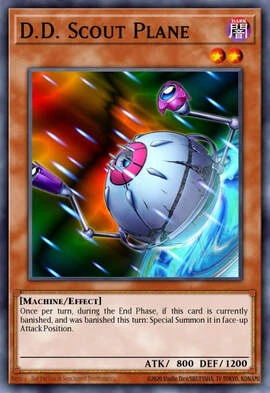
Return lists use Return From the Different Dimension as a surprise finisher and can be built as quick OTK-style decks, or something slower and more methodical. What they all have in common are tools that allow them to banish their own monsters from the graveyard (or sometimes even from play) in order to bring them back with the title trap card. Bazoo the Soul Eater is common in these decks, but is also common to simply play large numbers of strong flip monsters like Gravekeeper's Spy or Deckoichi. If they get hit by an opponent's Nobleman of Crossout, they can just come back later! In Dark-centered lists, the most common banish enabler is Strike Ninja. However, Geist D is only playing a single copy of the stealthy assassin. Instead of additional ninjas, it looks like Skull Lair plays double duty as both a removal tool and a banish booster. D.D. Scout Plane is an ideal target, since it can be recycled for Lair over and over, and makes for easy tribute fodder for Mobius and Dark Magician of Chaos.
Player Insight
This is my personal favorite Goat Format deck of all time. I think it is very fun to play and very special in terms of what the deck does. It is very underexplored, despite the fact that this deck is stronger than a lot of Tier 2 decks and can easily compete with Tier 1 decks as well. The Turbo matchup is very close, it overperforms against Control, and underperforms against Aggro.When putting the deck together, I asked myself which so-called “staples” are actually needed when your goal is to execute your own strategy rather than disrupt your opponent’s.At the end of the day, this deck requires a lot of setup, but it only takes one Return to finish the game. When you can deal lethal damage, card advantage vanishes in an instant. So if the goal is to deal lethal damage in one turn, I tried to figure out which cards I actually need in that situation and worked backwards from there.That led me to the question: do cards like Duo, Storm, or Breaker in the opening hand really bring me closer to what I want to achieve, or do they sometimes just prevent me from doing so?The most interesting cards in this deck are not the ones it plays, but the ones that are not in the main deck: Storm, Snatch, Duo, MST, Ring, Breaker.Each choice has a reason:
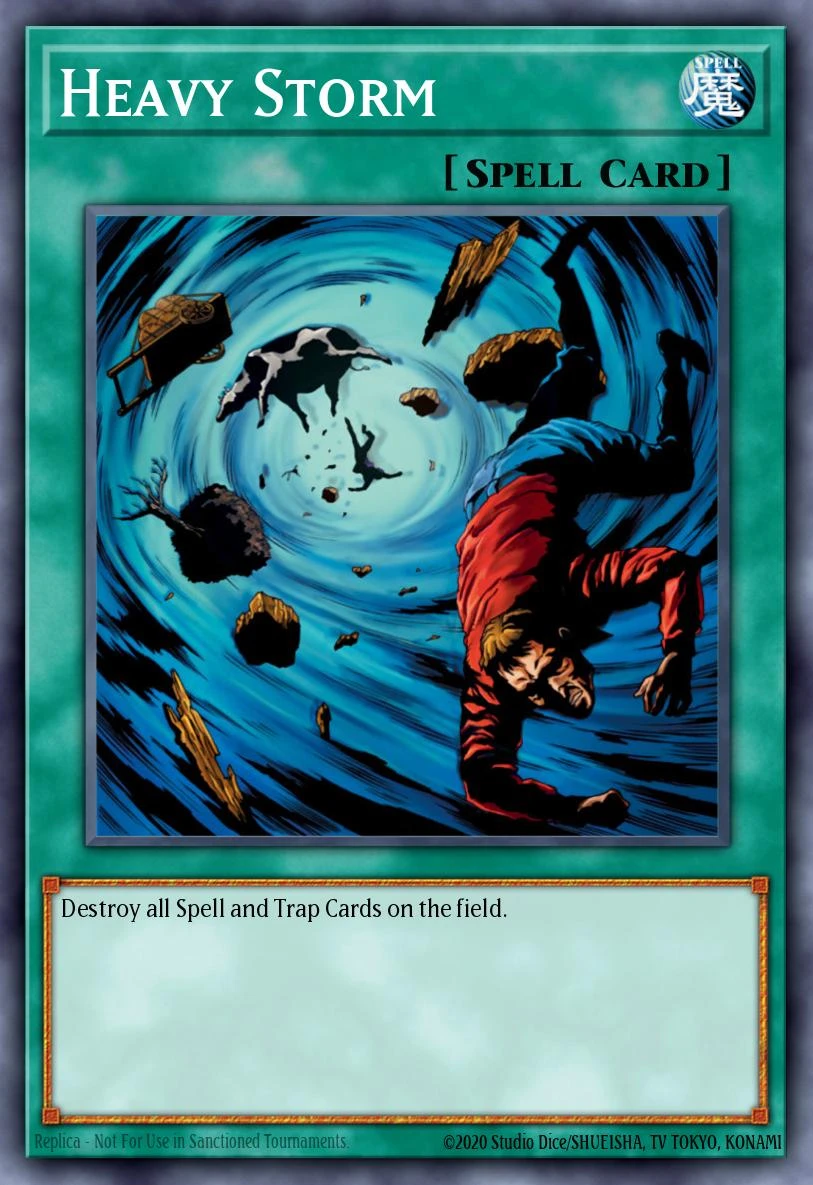
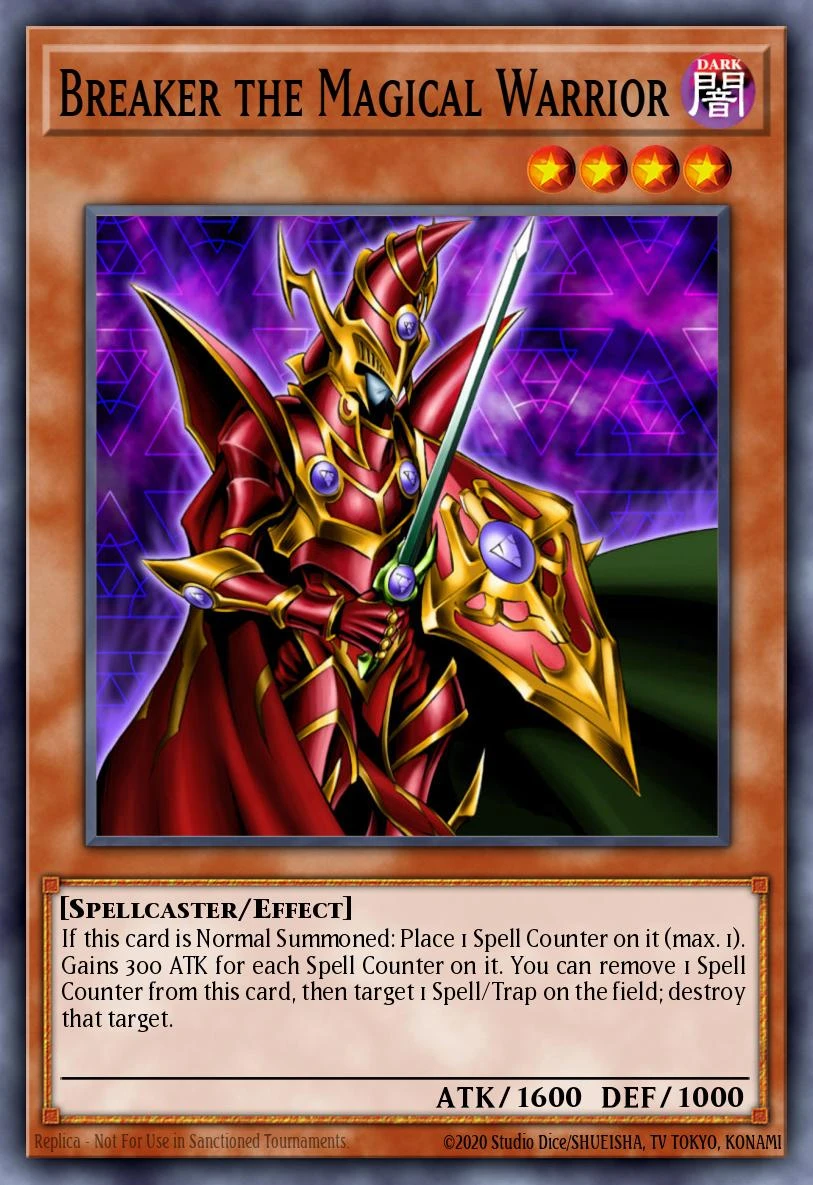
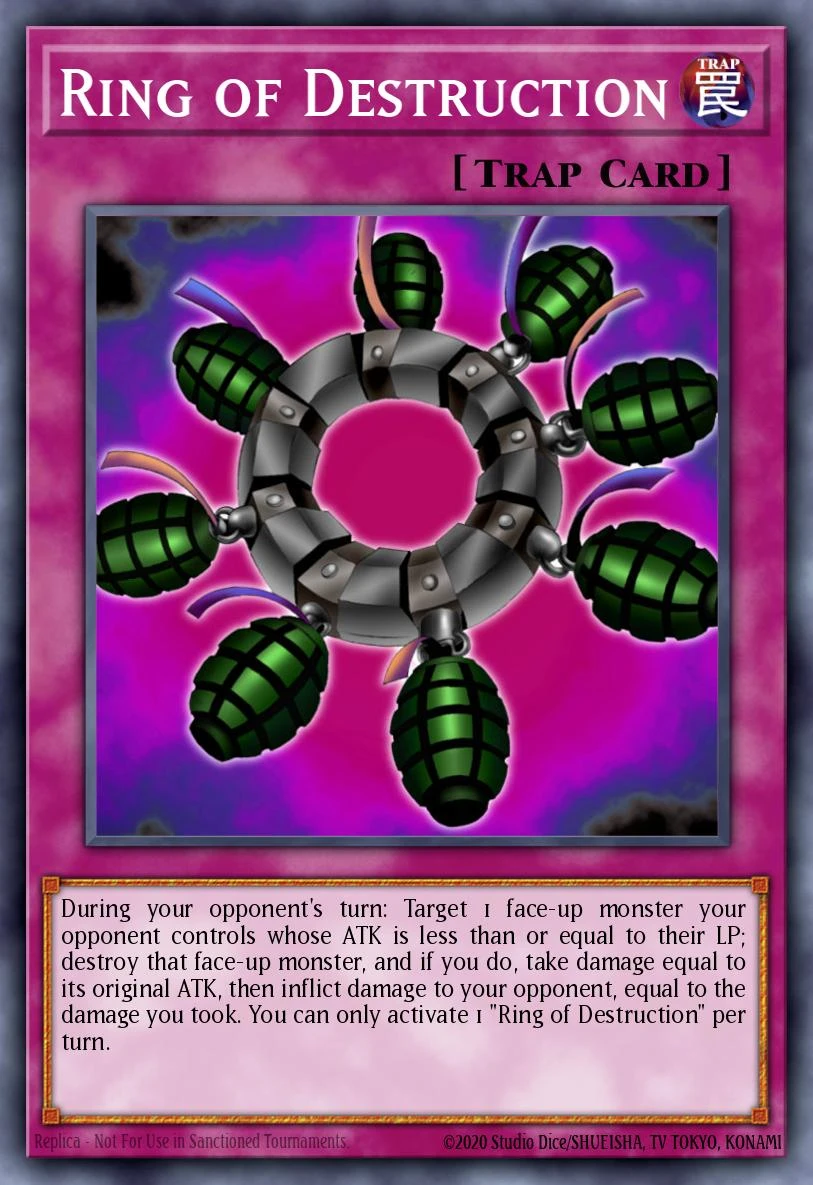
Storm:You play a lot of backrow. The key cards are Skull Lair and Solemn, which you do not want to be Stormed. Instead, you play two copies of Mobius, which are essentially the “Storms” of this deck. By committing a lot of backrow, you allow your opponent to set more cards, which then become easy victims for Mobius. Best feeling when the second Mobi hits :)Breaker:You focus on setting monsters face-down and making impactful plays with Mobius, which is why Breaker is not needed. You want to increase the total card count on both sides of the field, because this deck really shines when there are many cards in play. That’s when you can control the game with Skull Lair, Scouts, Solemns (and Masks). You would rather play a floater (like Tomato) instead of going one-for-one with Breaker.MST:Follows the same reasoning as Breaker.Ring, Duo:These cards cost too many Life Points when you are already playing 3 Solemn, 2 Return (and 3 Masks to recycle them). Also, Duo reduces the overall card count, which is something you want to avoid.Snatch:Snatch is often a nice card, especially against aggro, but it can be quite mediocre against decks like Turbo or Control. You could still argue for main-decking it, but it doesn’t really fit the strategy of this deck.
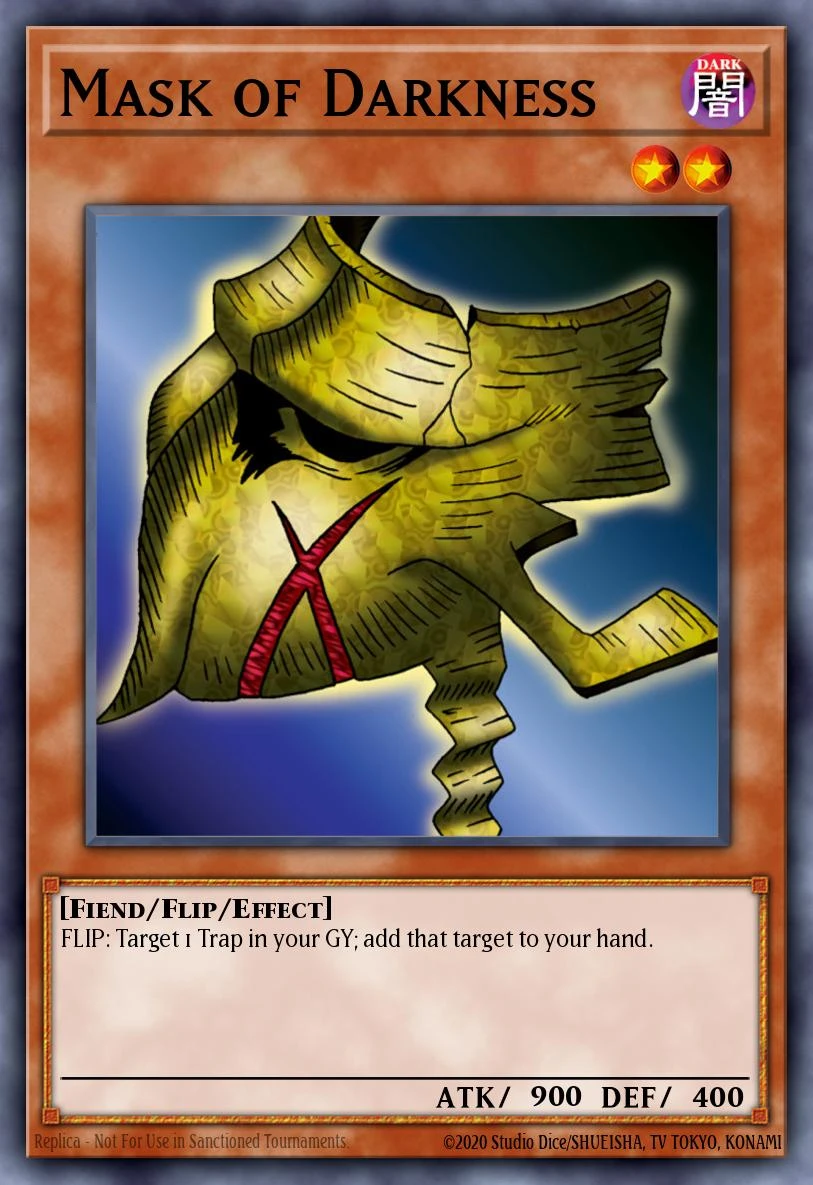
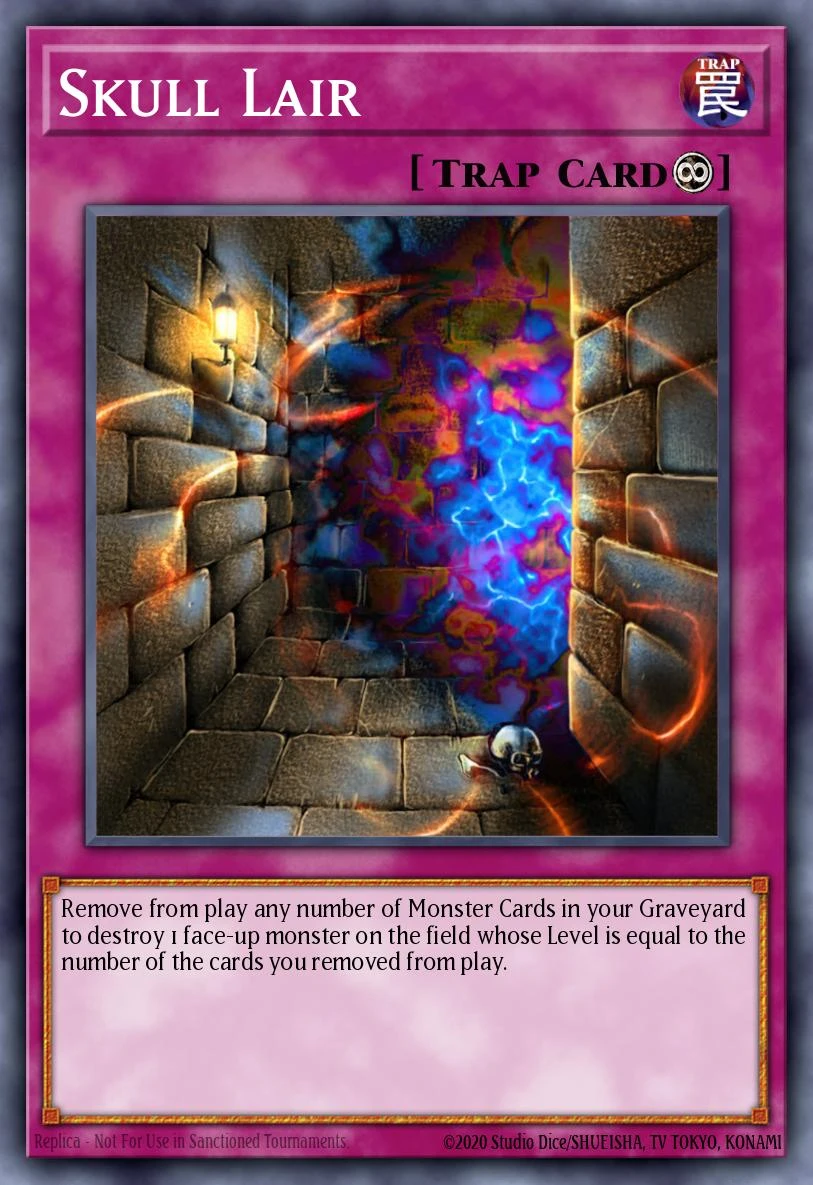
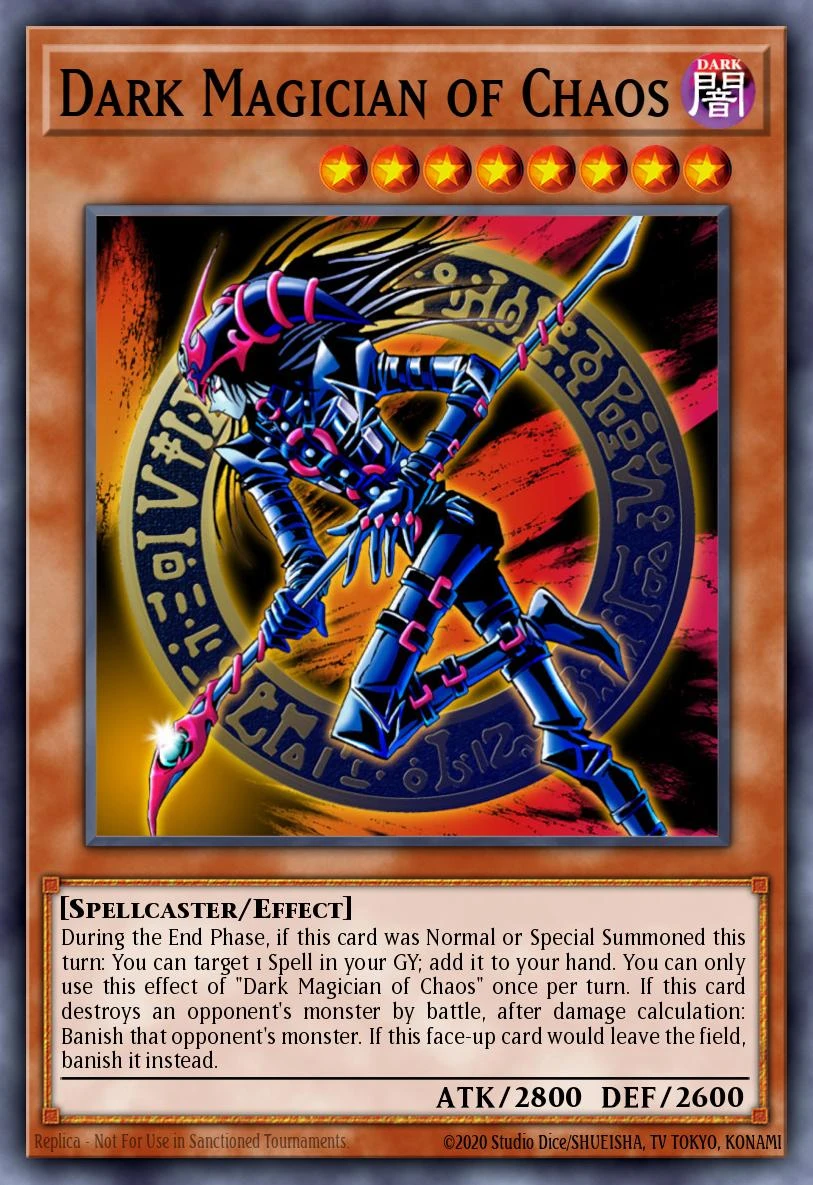
Let’s talk about the cards I do play:Mask of Darkness:One of the glue cards that makes the deck run smoothly. In the early game, Mask acts as a sixth Dekoichi by recycling Jars. In the late game, you can recycle key cards like Solemn, Skull Lair, and Return.Scout Plane:This is the Sinister Serpent of the deck — it always comes back. It also has some funny interactions with Nobleman or sometimes with BLS. In many cases, it’s great tribute fodder for Mobius or DMOC.DMOC:This is the boss monster of the deck. It can easily be summoned by tributing two Spies or two Scout Planes. DMOC is obviously very strong with Return.MJ and CJ:These are by far the best cards in the deck. Similar to Burn decks: once you resolve one of your Jars, you often win the game.Tomato:Searches Sangan, which in turn searches one of the Jars. If you already drew Sangan, you can still search Scout Plane.Skull Lair:One of the key trap cards of the deck. I think two copies are optimal, since you run Masks to recycle them when needed.Raigeki Break:Since the deck follows a very linear strategy, you need some flexible cards to deal with unexpected threats like Skill Drain, Kycoo, Gravity Bind, or lethal attacks. Post-side, you can take these out once you know the matchup and don’t need that flexibility anymore.
One nice “Heart of the Cards” moment was when I drew Pot, then summoned DMOC to recycle it. After DMOC died to Mirror Force, I was able to use Return on DMOC to recycle Pot once again.Another nice interaction was attacking with a monster, then flipping Skull Lair in the Battle Phase, destroying my own monster by banishing four cards from the GY, and then playing Return for lethal.The ability of Skull Lair to destroy your own monsters is actually a common part of how the deck functions. Sometimes you can repeatedly banish Scout Planes to destroy your own monsters, then Special Summon them back and continue looping.Unfortunately, I played against a lot of Warrior decks, which this deck really struggles against.It’s a fun deck to play, and I’m sure it will win a tournament someday.