The Science of Sideboarding Part 2: Tuning Methodology
This article provides a detailed methodology for building and tuning a Yu-Gi-Oh! Goat Format sideboard, emphasizing the identification of crossover cards and strategic adjustments based on tournament conditions and specific matchups. It guides players through constructing a preliminary sideboard,...

So I’ve done all this grandstanding and now you have a vague idea of what to prioritize when, but you still don’t have a sideboard! Theory can only take you so far, so here is how I go about building and tuning a sideboard:
Step 1: Build a Preliminary Sideboard
Combining all the previous considerations about siding, I create a preliminary sideboard aimed at removing threats and answers ineffective for a matchup and replacing them with more effective cards. When considering how many cards I need for each matchup, I combine my understanding of the fundamental assumptions with the order of priorities listed above. How good am I against Turbo? Can I remove spells and traps easily? How is my Warrior/Earth matchup? Burn? Goats/Meta? And so on.Since the priority list is basically always the same, all I need to focus on is how my deck functions against these matchups before siding and how they need to function after siding. This makes it extra easy to choose cards that will be applicable in multiple matchups! These “crossover” cards are great because they allow you to focus on more priorities at once while using less slots.
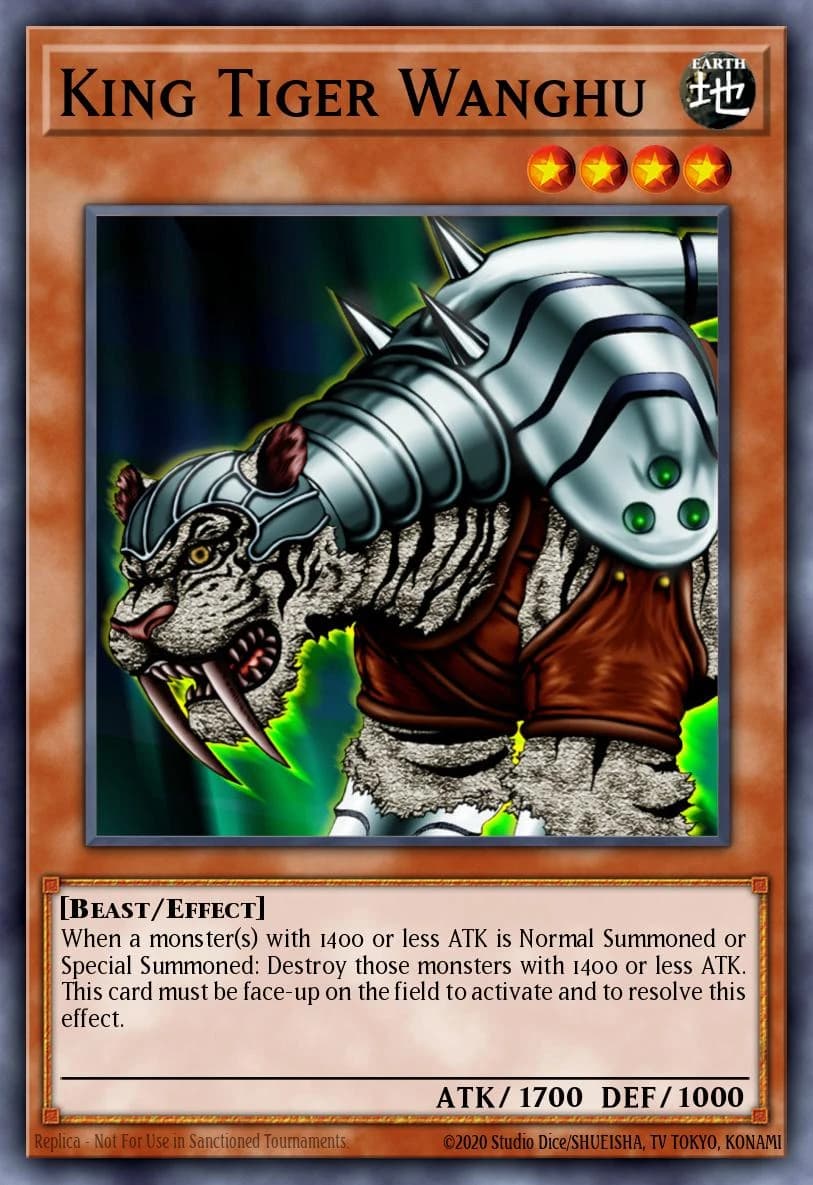
A great example of a crossover card is King Tiger Wanghu. It is good against Goat/Meta decks, Panda Burn, and the OTK decks. Why play 2 Mystik Wok, an Asura Priest, and 2 Threatening Roar when I can just slam a Wanghu with Solemn Judgement as backup for the same effect? As you play Goats and put this guide into practice, you will get better at identifying good crossover cards. Other easy examples are Dust Tornado, Book of Moon, Solemn Judgement, and Royal Decree.Lastly, keep in mind there may be other factors for a certain event that may change your side. If your tournament is swiss or otherwise timed rounds, consider how often your deck/your play brings you to time. Do you go to time often? How well can
your deck win in time? You may want some sideboard cards to make this easier. Other circumstances to think about are if the tournament is in person (more diverse meta + larger skill/knowledge deficit on average) and a tournament that is invite-only (you can gauge exactly who will play and what they might bring and adjust priorities accordingly).
Step 2: Solo Mode Mode Math
For all its problems, I maintain that Duelingbook has a lot of great tools for getting better at Yugioh. When sideboarding at a high level, it is important to know exactly what your plan will be against the most common matchups. It is also important to know that plan makes sense! Using Solo Mode and screenshots, this step does both at once!First, go into Solo Mode with Siding and go straight to siding. Now, side your deck for each matchup in order of the priority list: Turbo, Warrior/Earth Aggro, Burn, Goat/Meta decks*, OTK decks, other combo decks. Each time you do this, take a screenshot to save for later. For each matchup’s side plan, ask yourself these questions:
- “Do I have any bad cards left in my deck?”
- “Do I have more cards for this matchup than I have space for?"
Voila! You now have both a sideboarding guide for your initial sideboard and the necessary information for the next step:
Step 3: Adjusting the Side
This is the most complex and rewarding part of the whole process! Each matchup where the answer to one of these questions was “yes,” reevaluate what card you used for each purpose. If you answered yes to the FIRST question, you are undersided for that matchup If you answered yes to the SECOND question, you are oversided for that matchup. Using this as a framework, you can now change cards in your sideboard until you have the appropriate amount of cards for each matchup. This can be tricky! It can take a long time! You may have to rethink the entire side to make it work. But this right here is the difference between a good player and a great player.

The further down the priority list you go, the more okay it is if the siding doesn’t end up perfect. If somehow you find all matchups effectively covered in this step with slots to spare, you can further bolster matchups for other decks. Some matchups you can think about are alt win decks, Chaos Return, Zombies, Decree aggro, Cold Wave decks, and making sure your Stall Burn matchup is as good as your Panda Burn matchup. Again, consider what your mainboard is bad against and use that as a guiding point. This is also a good time to think about how different Goat/Meta control decks may need siding against. These decks can range from anywhere from “Chaos Turbo but with Goat/Meta” to
“Warrior but with Goat meta” to Detox to Apprentice Magician and Nephythys to Soul Control to the craziest piles of cardboard you’ve ever seen. If a certain control deck is likely to have an alternate angle of attack hard for you to deal with, think about how you can use free slots or crossover cards to deal with them.
Step 4: Play the Darn Deck!
Theory is all well and good, but it’s time to actually see if your choices do what they are supposed to! Play some matches, see if things play out as you expected, and adjust accordingly in places where it didn’t. Maybe a matchup is harder than you thought and you undersided. Maybe it was easier and you oversized! Either way, time to put theory into practice and iterate your sideboard accordingly.At this point in the deckbuilding process, I assume you have a mainboard you’re confident can win most games. This means get the hell off the Duelingbook ladder. For tournament prep, it is imperative you play against competent players piloting decks/cards you expect to see. If you have a good testing/tuning regimen, follow it. If not, I made a pretty good video about deck testing a while back.
Putting it All Together
Lastly, let us go through this process together with a deck I’ve been toying around with again: (Relin)Quish(ed) Turbo! Quish is a great deck to look at for this because it is close to Chaos Turbo in some ways and very different in others. I’ll explain those differences as part of step 1.Quish Turbo makes similar use of Thunder Dragon, Chaos Monsters, “draw 1” cards, and discard traps to play a fast, versatile tempo game where we get to our best cards more often than our opponents. We also play Dustshoot (and in this case Solemn), giving us versatile answers to most strategies. However, where a standard turbo deck plays Dekoichi, Spy, and Night Assailant, Quish instead opts for Manju/Senju as instant draw ones attached to attacking bodies. The card advantage isn’t as “real,” but does give us occasional access to the namesake Relinquished, a pseudo-TER with a niche burn effect as a bonus. All of this combined makes the deck far more proactive than a standard deck. Kycoo often accompanies the “handymen” for aggressive pressure and mainboard hate against chaos monsters, and our Dustshoots and Solemns are bettered by the pressure that accompanies them. We also render Nobleman of Crossout useless most of the time.
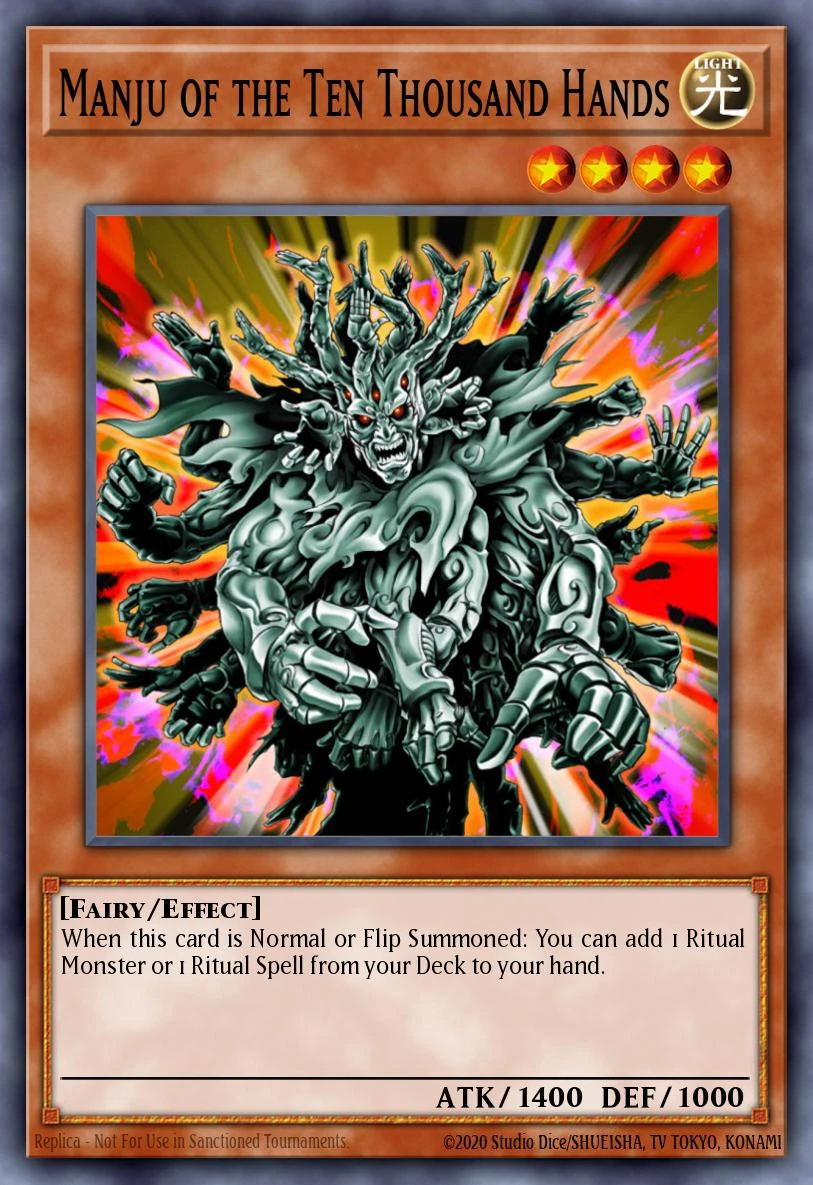
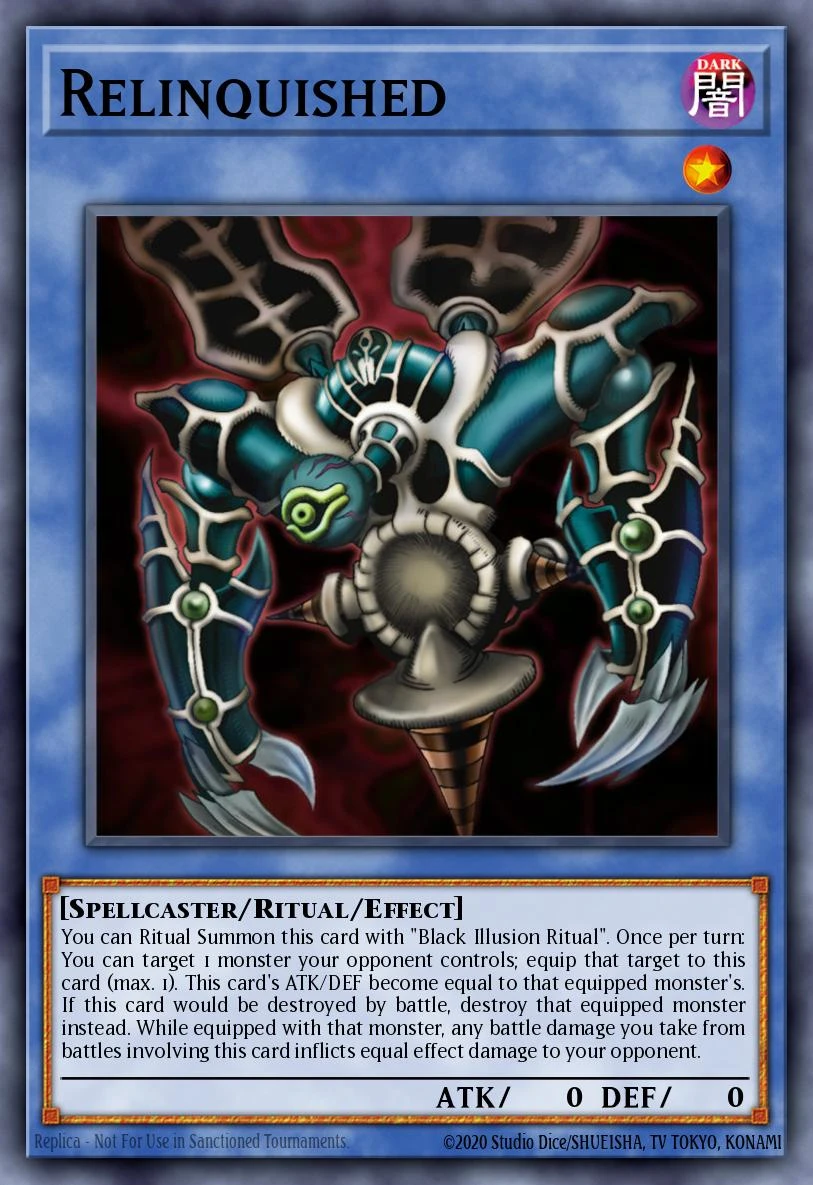
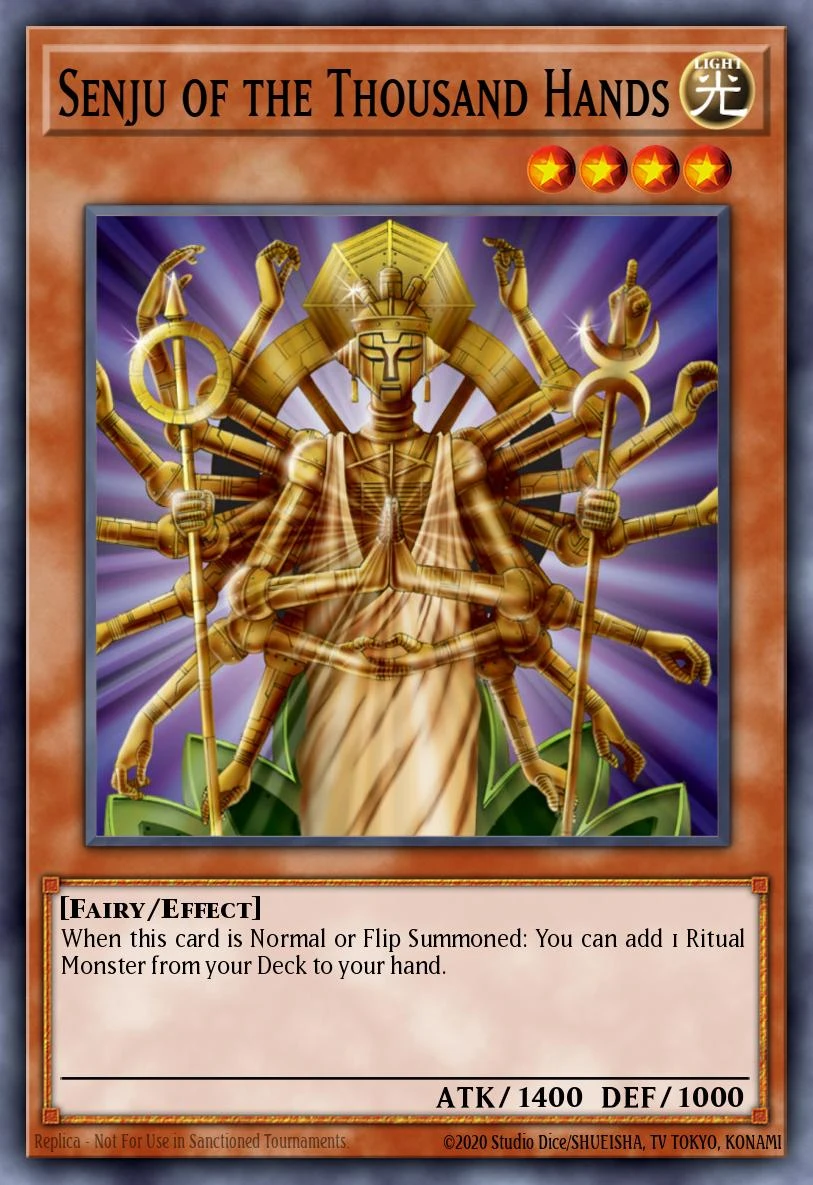
The big weakness is the loss of those set monsters. Our defenses suck! Our monsters are easy to run over, and the handymen’s 1400 ATK stat makes them recruiter food. The increased attacking and slightly worse long game make battle traps hurt as well. Worst of all, our monsters are absolutely no help against OTKs, and the rest of the deck isn’t much of a help either. Putting it altogether and combining it with the priority list, we get this:
- Turbo: Great
- Warrior: Bad
- Burn: Even
- Goat/Meta decks: Okay
- OTK: Terrible
- Off-meta decks: Great
When I returned to the deck, I found the following list:
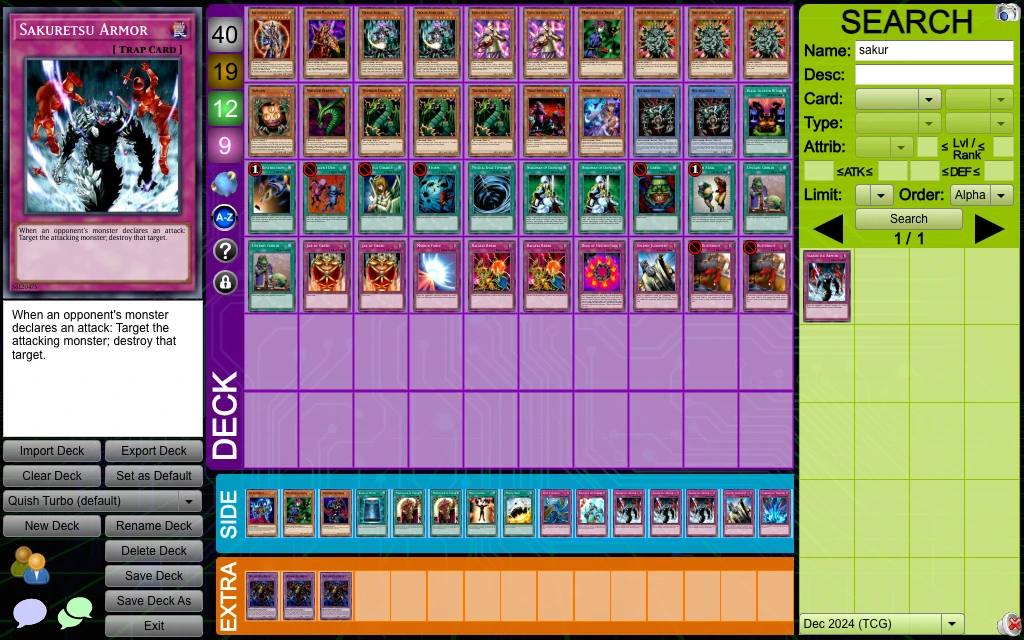
Looking at this sideboard, I felt it mostly complimented the strengths and covered the weaknesses, but not perfectly. Right off the bat, I noticed the Faith in the sideboard was silly! That card is usually just as good against Turbo as a second Kycoo, but has more applications elsewhere on the mainboard too. Worst of all: It was wasting a sideboard slot! Meanwhile our terrible OTK matchup was only answered with one Hallowed Life Barrier, 2 Solemn, and 2 Dustshoot. I went -1 Kycoo, moved the 2nd Faith to the main, and +1 Barrier. Much better already and we didn’t even get to step 2.
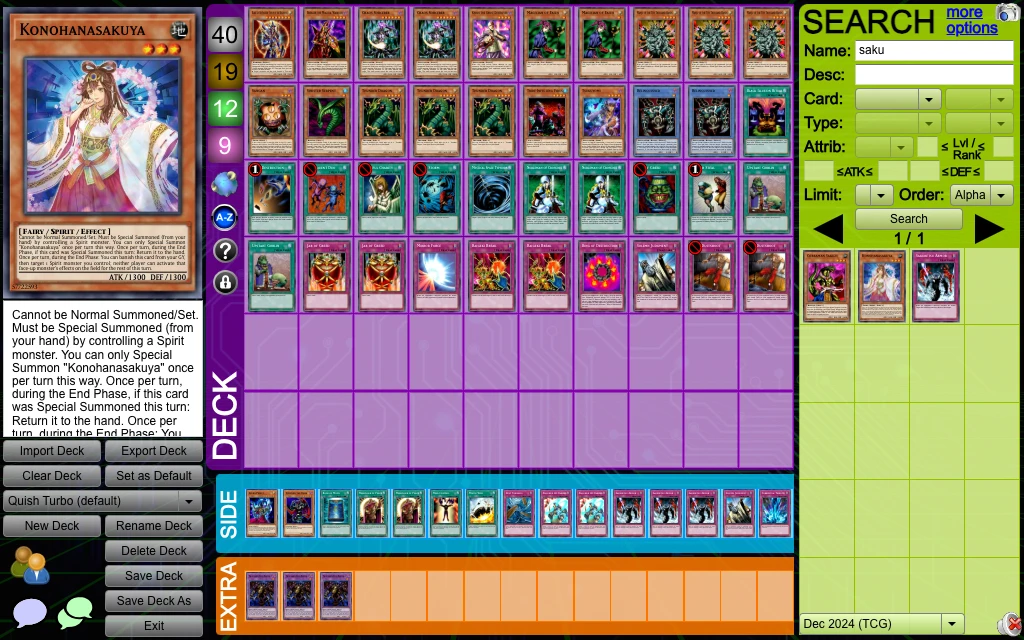
I took to solo mode and sided each matchup in the same order of priority. Turbo was just -1 Mirror +1 Mind Control, and that felt good. When I got to aggro, however, I found I had one more card to side than I had cards I wanted to remove! Then when I got to Panda Burn, I realized I had too few backrow removal cards! I was oversided for one matchup and undersided for another, so there was an easy fix right there: -1 Sakuretsu Armor, +1 Dust Tornado. Dust Tornado was great here because it still crosses over with Aggro decks. Depending on the player and deck configuration, I could bring DT in against them as well. DT is also great against Stall Burn and a lot of other weird decks.
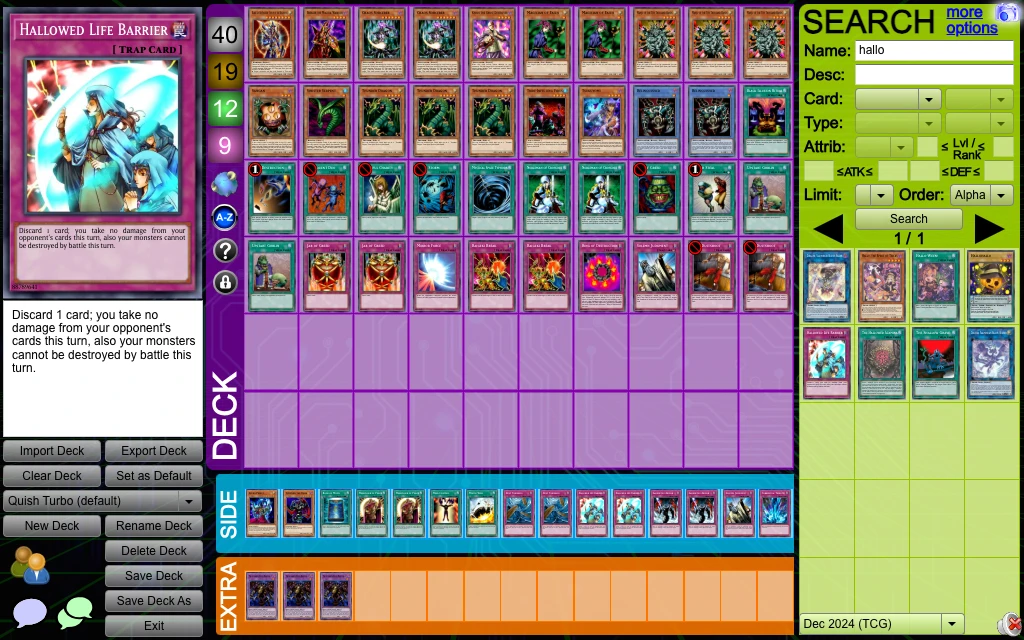
Going down the list the same way, the matchups post siding look more like this:
- Turbo: Great
- Warrior: Even
- Burn: Good
- Goat/Meta Decks: Great
- OTK Decks: Okay
- Off-meta decks: LMAO bye
Whatever step of the process you start from, small changes make a big difference! As you play/watch more games and learn more about how certain cards interact in this scenario or that, this process will get easier and easier. With this guide, it should be easier to immediately turn those findings into better results. And with that, the ramble is over. Thank you so much to everyone who read to the end, and to all the people who consulted for editing and content. If you have any questions, comments, or thoughts, my DMs are open. I hope you have a lovely day.